

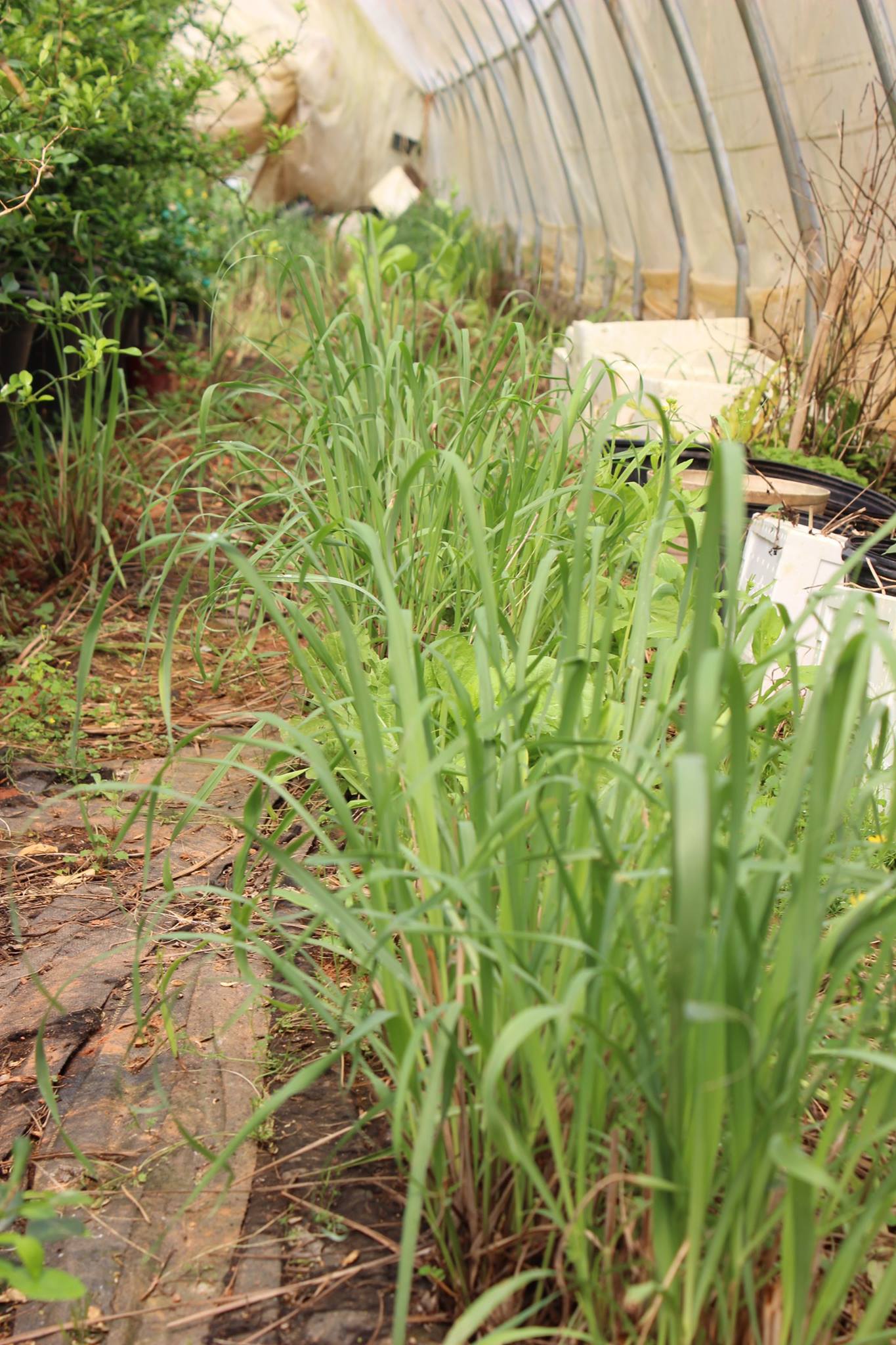
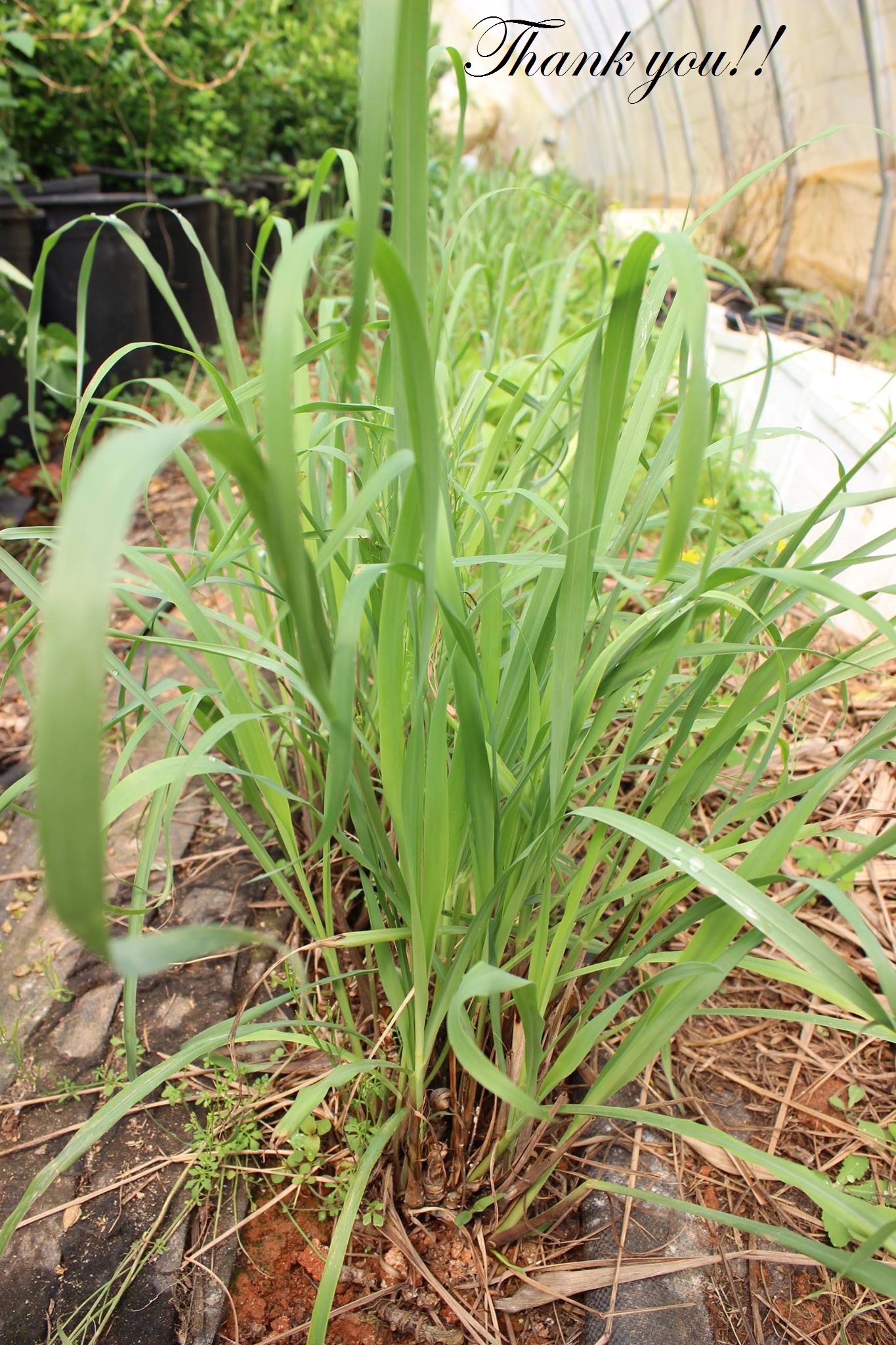
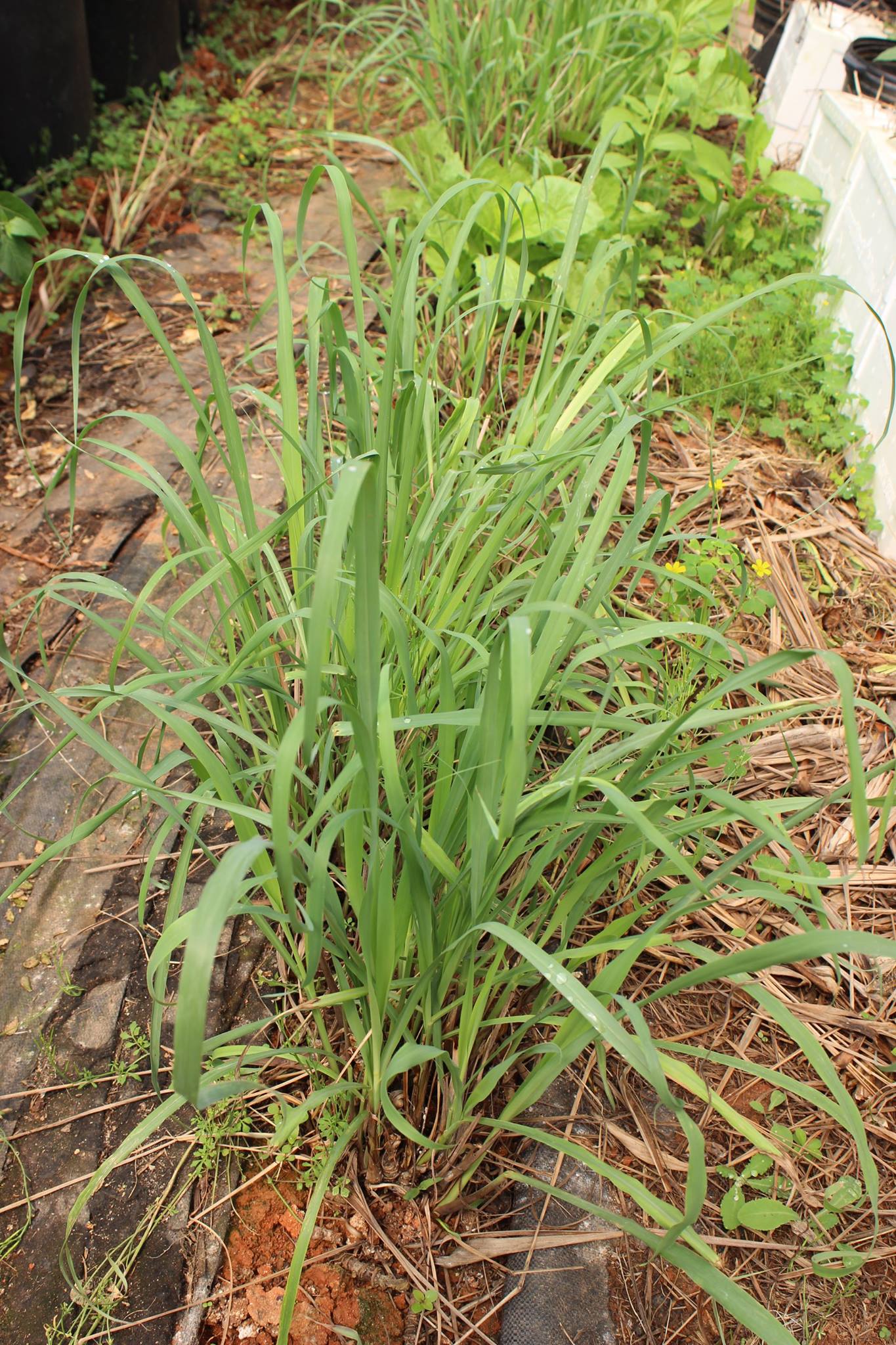



This is a quick simple lemongrass tea video. I will be adding more videos soon. www.fudoggarden.com
The Complete Guide to Growing & Caring for Lemongrass: From Garden to Kitchen
Lemongrass isn’t just a plant — it’s an experience. Crisp citrus aroma. Clean herbal flavor. A tropical look that transforms any backyard into a lush, green escape. And best of all, it’s one of the easiest herbs to grow, even for beginners.Whether you’re cultivating it for fresh cooking, herbal teas, aromatherapy, or to harvest and sell premium stalks and oils, lemongrass rewards you with fast growth, high yield, and year‑round versatility.This guide blends practical horticulture with marketing‑ready storytelling to help gardeners, home cooks, and wellness seekers fall in love with lemongrass — and confidently grow it themselves.
Why Lemongrass Belongs in Every Home Garden
A Plant With Built‑In AppealLemongrass (Cymbopogon citratus) is a warm‑season perennial known for its bright citrus scent and tall, elegant blades. It thrives in heat, grows rapidly, and produces abundant stalks that can be harvested continuously.
Freshness you can smell — the moment you brush past it, the citrus aroma signals purity and wellness.
Grows fast, grows full — people love plants that reward them quickly, and lemongrass delivers.
Culinary + wellness versatility — teas, soups, marinades, essential oils, natural insect repellent.
Low‑maintenance, high‑reward — perfect for beginners, busy families, and wellness‑focused consumers.
How to Grow Lemongrass Successfully
1. Choose the Right LocationLemongrass thrives in full sun — at least 6–8 hours daily.
Ideal soil: loamy, well‑drained, slightly sandy, enriched with compost.
“Plant lemongrass where the morning sun warms the soil — this early heat jump‑starts growth and intensifies the citrus oils.”
2. Planting InstructionsSpace plants 24 inches apart to allow full clumping.Plant stalks or seedlings 2–3 inches deep.Water thoroughly after planting to activate root expansion.
3. Watering & FeedingLemongrass loves moisture but hates soggy soil.Watering rhythm:Keep soil consistently moist during the first 4 weeks.After establishment, water 2–3 times per week depending on heat.
Fertilizer:
Use a nitrogen‑rich fertilizer every 4–6 weeks to encourage lush, green growth.Infographic Block: “The Perfect Lemongrass Care Schedule”Week 1–4: Daily light wateringMonth 2–3: Water 2–3× weeklyMonth 3+: Fertilize monthlyHarvest: Every 3–4 weeks
Harvesting, Using, and Selling Lemongrass
How to Harvest for Maximum FlavorHarvest when stalks reach ½–¾ inch thick.
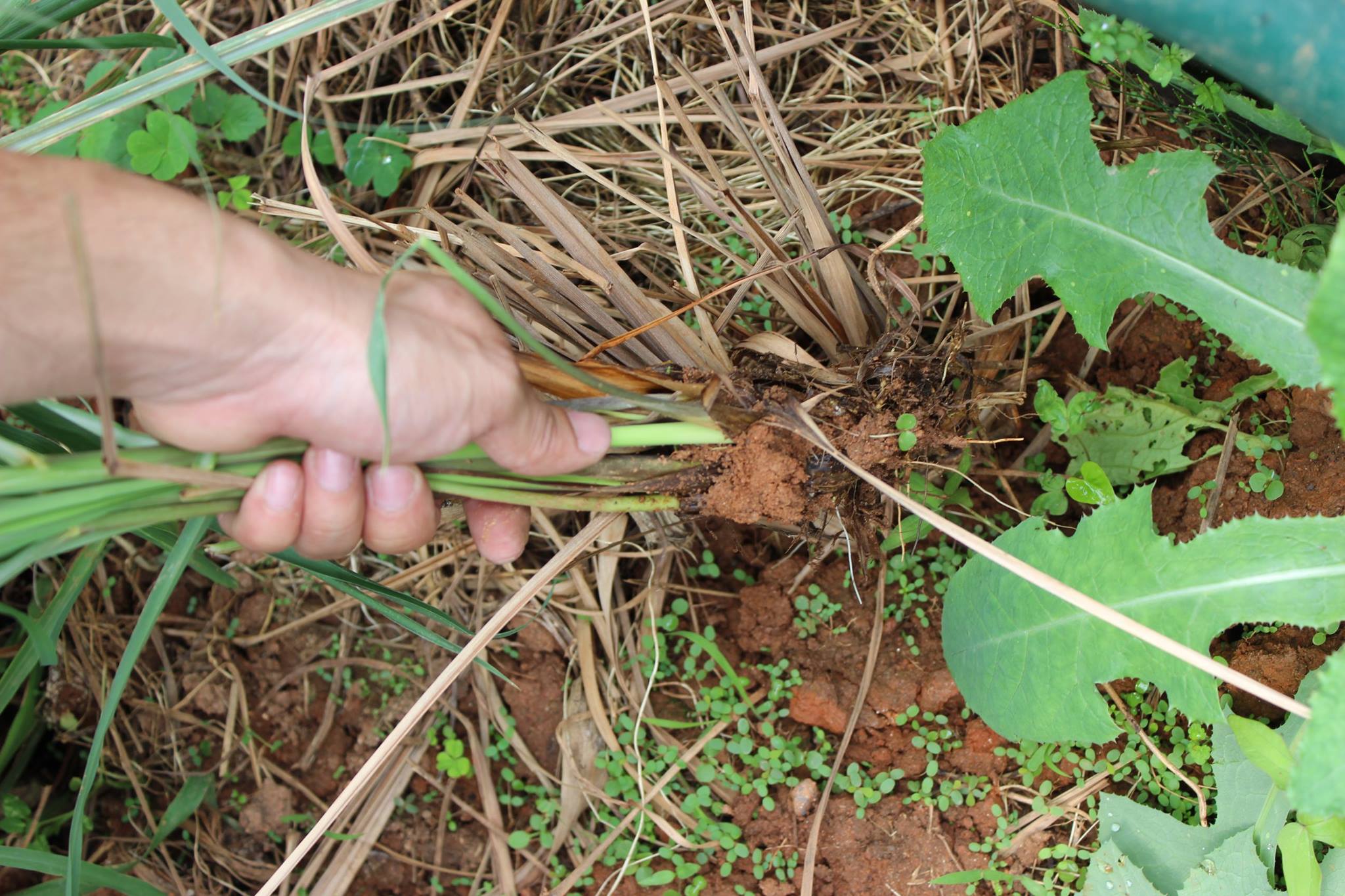
Cut at soil level or gently pull the stalk from the base.
“You’ll know it’s ready when the stalk feels firm, the base is pale yellow, and the aroma intensifies as you peel back the outer layers.”
Using Lemongrass in the KitchenSlice the tender inner core for soups and stir‑fries.Bruise whole stalks for teas and broths.Dry leaves for herbal blends.Freeze stalks for year‑round use.
Turning Lemongrass Into a Sellable ProductIf your goal is sales — fresh stalks or essential oil — lemongrass is a marketer’s dream.
“Farm‑fresh citrus aroma in every stalk.”
“Harvested at peak potency for maximum flavor.”
“Pure, clean, naturally grown — no chemicals, ever.”
“From garden to kitchen in one simple step.”
Lemongrass is more than a plant — it’s a lifestyle crop. Easy to grow, deeply aromatic, visually striking, and endlessly useful. When you combine practical growing guidance with authentic storytelling and sensory‑rich NLP language, you create a message that resonates with gardeners, cooks, and wellness‑focused buyers alike.
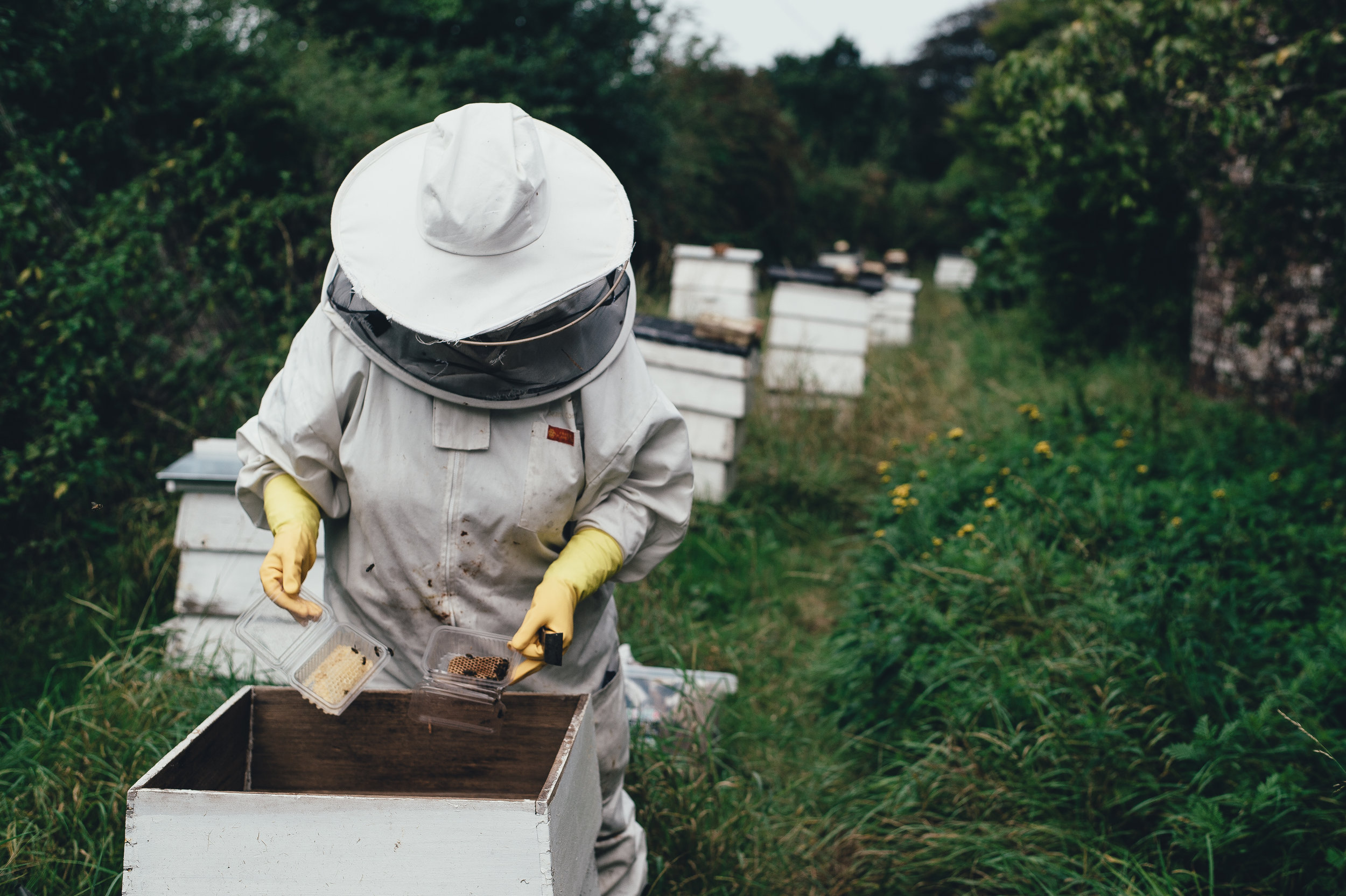
“Fungus provides powerful antidote fighting honey bee viruses”

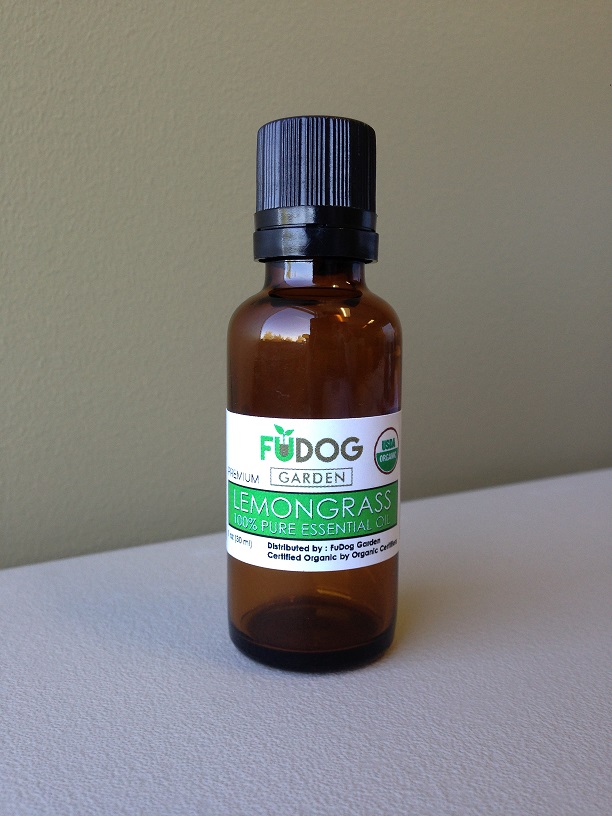
Lemongrass Oil by FDG
About
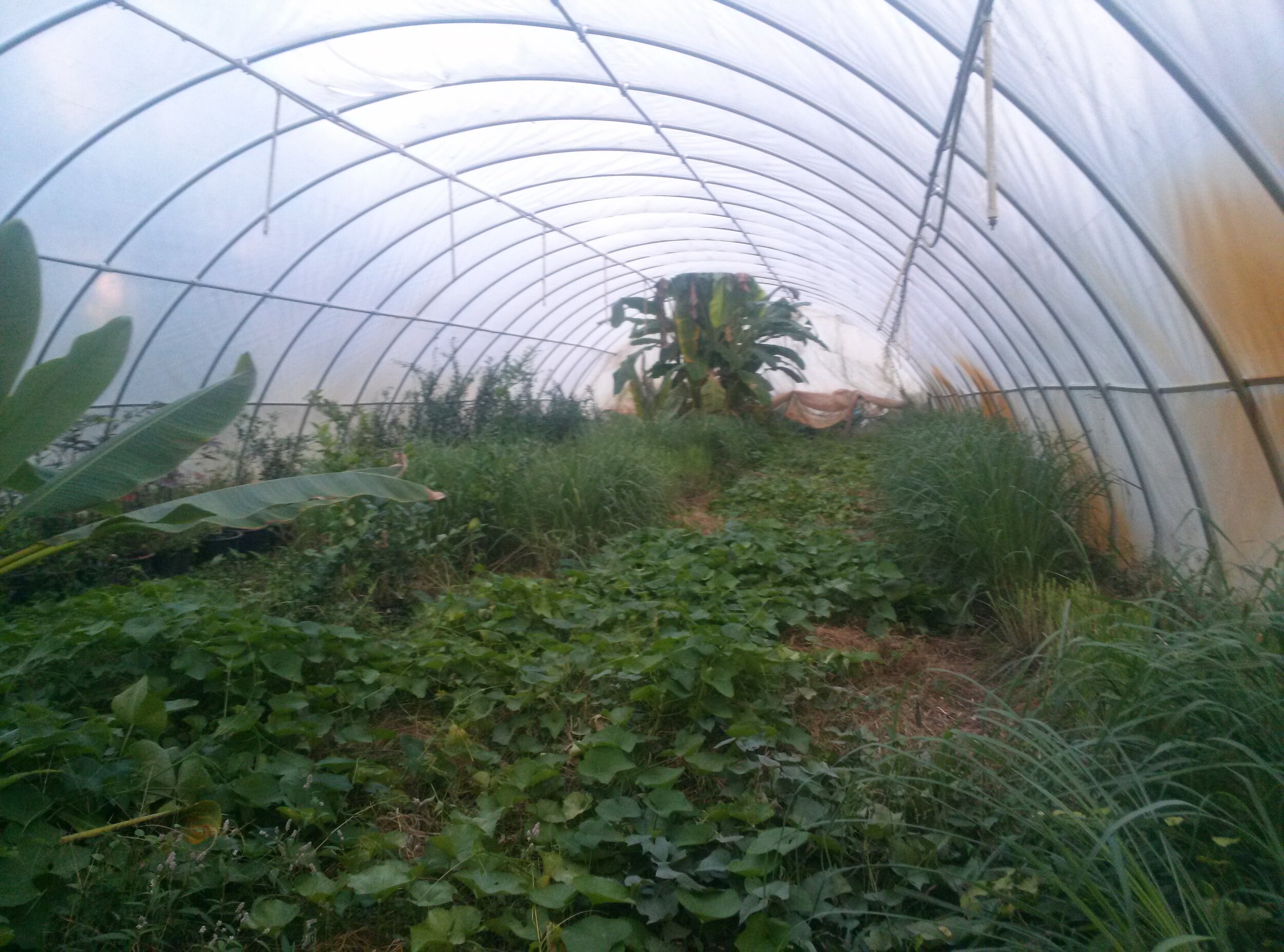
Where is your water coming from? 92% of water resources are used for agricultural purposes. Is you water source renewable to sustain your garden needs?











Take Action
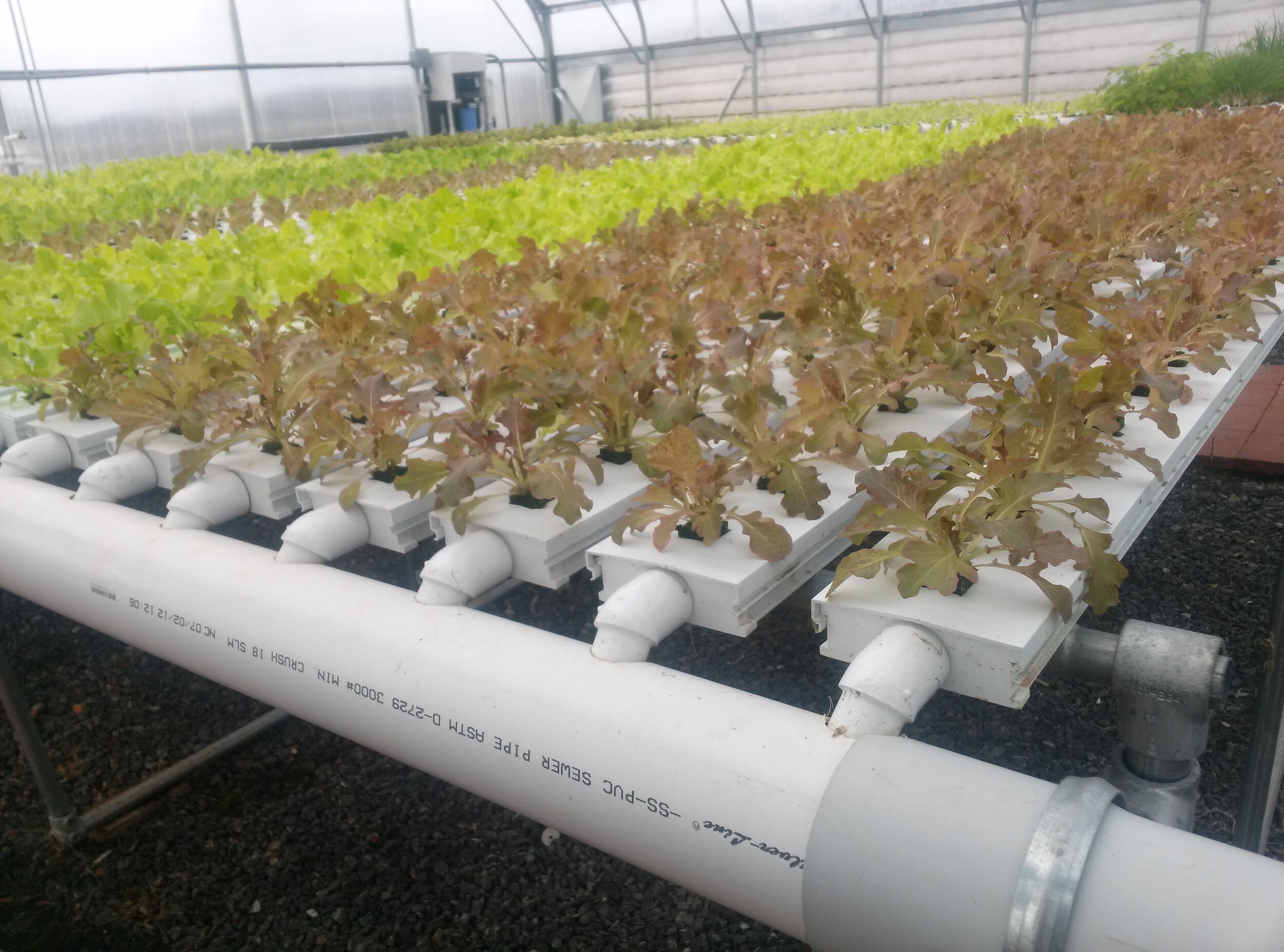
Who has the map to your gardening adventure? Only you can contribute to growing better garden, eating healthier, and understanding where your food chain links to.